The Cart.
A short documentary about the person who catches the take, and the recorder they trust to catch it. One mixer. One feature set. No product demo, no booth lighting. The film that travels with the warm intro and makes the rest of the conversation easy.
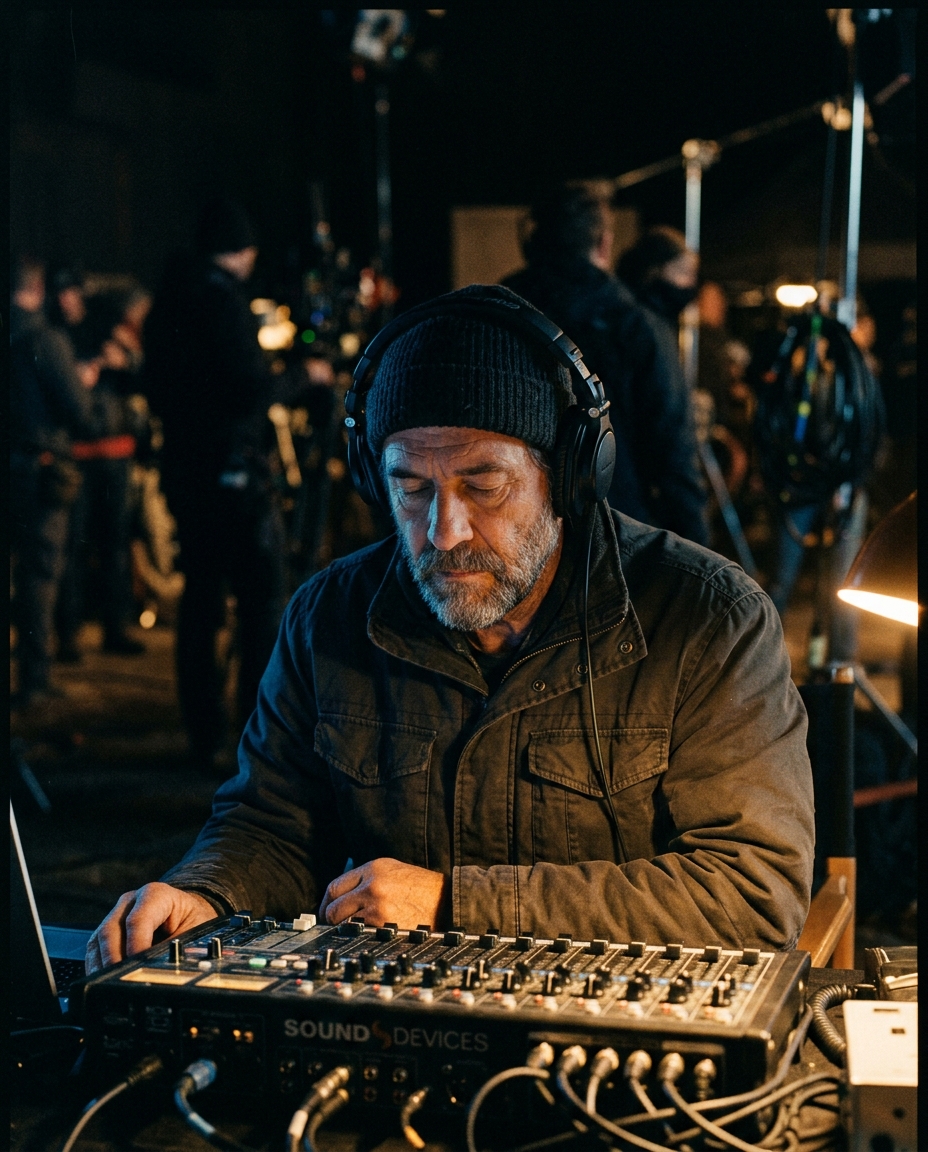
The job is to listen. We just point a camera at it.
Headphones on. Eyes down. The whole set waiting on one person to say the sound is clean. The most filmable thing in the room, and nobody has shot it as the subject.
A portrait, not a spec walkthrough.
We follow one production sound mixer through a day. Pre-dawn load-in. The cart built and cabled by hand. The set going quiet for a take. The recorder doing the one thing it exists to do, while the person who runs it does the thing only they can do.
The gear is in every frame and named in none of them. The audience leaves understanding what the instrument is for by watching someone depend on it. That is how you sell a recorder to people who already own three.
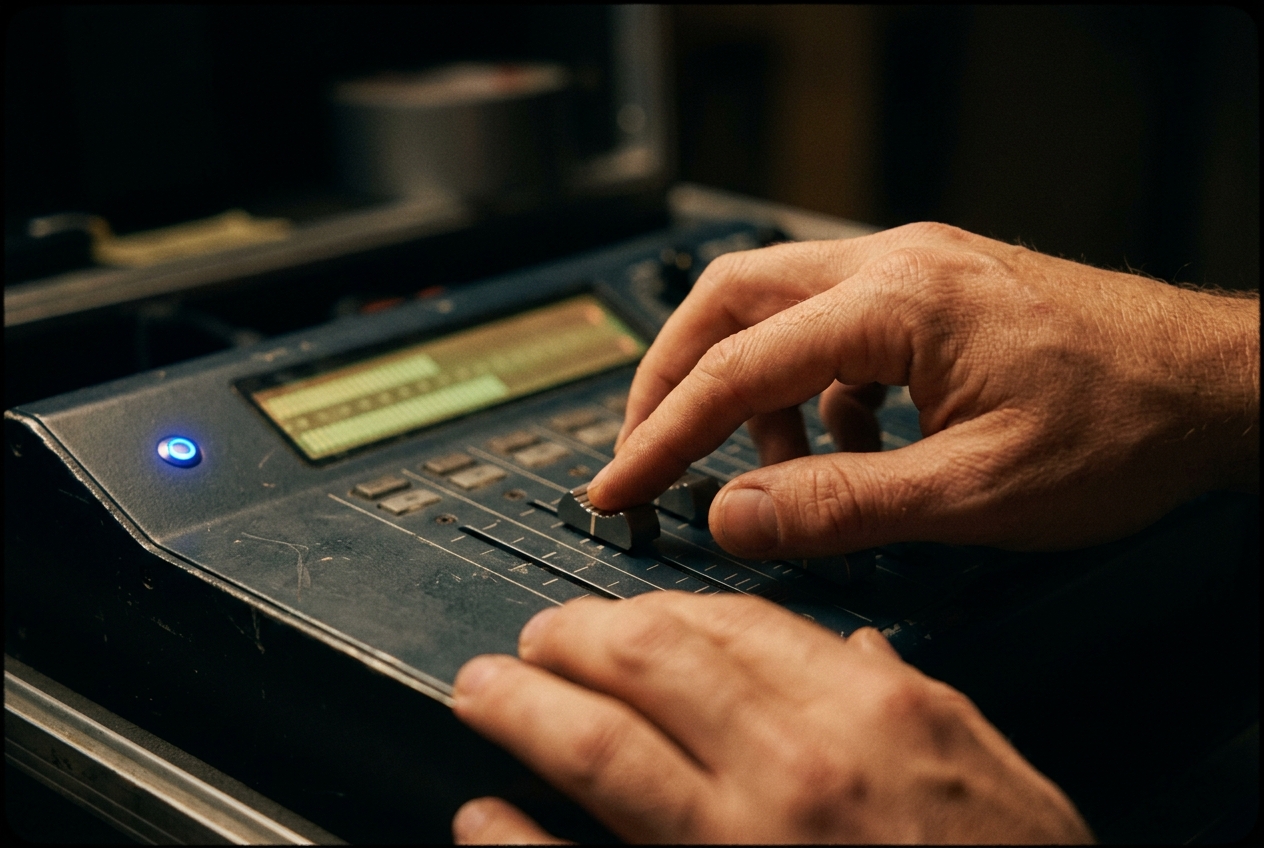
The best film about your gear was made by a windscreen company. That is not a problem. That is a market signal.
Bubblebee Industries shot a set-visit doc with mixer Dan McCoy and it landed, because the appetite for this story is real and unmet. You hold the awards. You own the carts. You have never owned the portrait. The Cart is you taking the subject back, at the resolution your work has earned.
What the film delivers.
One shoot, cut for the rooms it needs to live in. A hero film, the pieces that travel, and the stills that fix the homepage.
The hero film
A three to five minute documentary portrait, color-graded for film, scored, festival-grade. The piece you screen at NAB instead of a slide.
The travelling cuts
Vertical and short-form edits for the channels where mixers actually live. Built from the same footage, on register, never an afterthought.
- Social cut-downs, 15 to 60 seconds
- A homepage loop to replace the product grid
- CAS and trade-press screening master
The still library
Stills pulled at film resolution. The frames that finally put an image behind every line of heritage copy you already wrote.
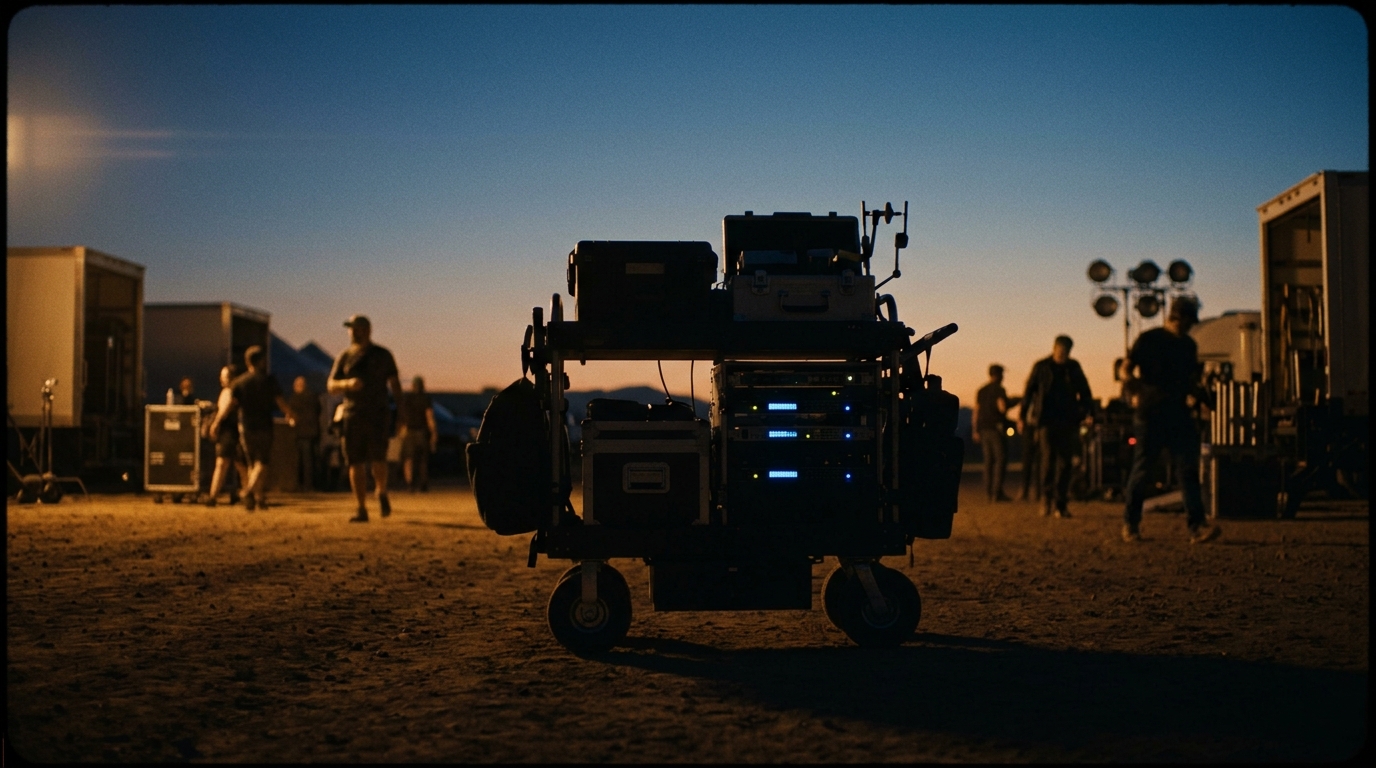
CAS is both the subject and the megaphone.
The Cinema Audio Society is the room you want to be in, and the room that forwards the film for you. The mixers in it have handed you Technical Achievement Awards for twenty years. Put one of them on screen, properly, and the rest share it without being asked.
That is the whole distribution plan: make something the audience is proud to be in, and they carry it.
This is the page the warm intro points to.
From here it goes two ways: the heritage film that no competitor can make, or a conversation about a calendar.